


Canada is walking away from UN peacekeeping almost entirely.
On July 17, National Defence quietly confirmed it is closing four peacekeeping operations and gutting a fifth.
Operation CROCODILE, our contribution to the UN mission in the Democratic Republic of the Congo, and Operation SOPRANO, our presence with the UN mission in South Sudan, will both wind down by mid-2027. Operation SNOWGOOSE, our long-standing support to the UN force in Cyprus, ends on the same timeline, and Operation KOBOLD, our small footprint in Kosovo, disappears by year’s end.
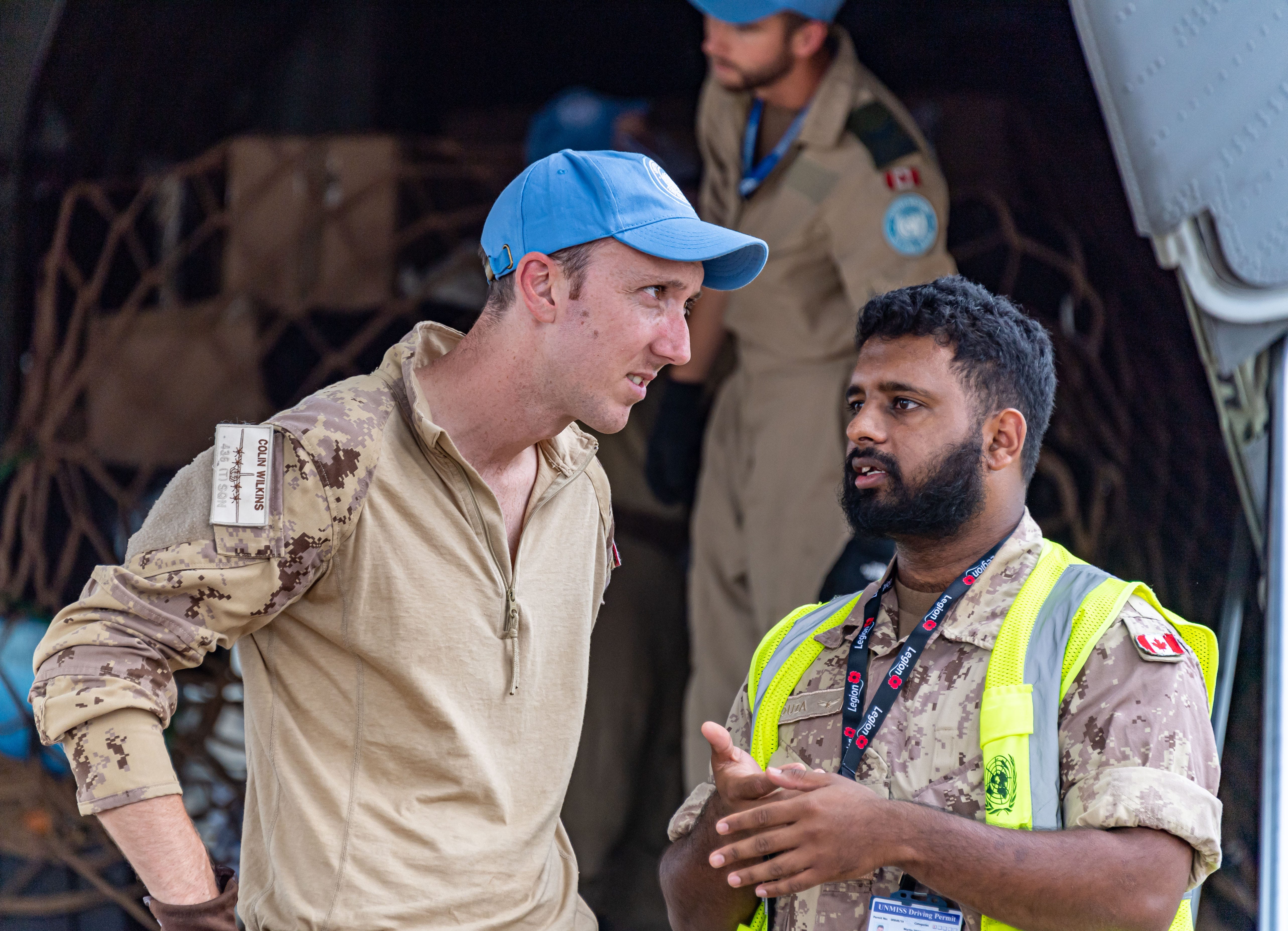
When the dust settles, Canada’s entire UN peacekeeping presence will shrink to a handful of officers with UNTSO — the same Middle East mission Canada joined back in 1954.
It is our lowest commitment since 1956, when Lester Pearson proposed the first UN Emergency Force and won Canada its first Nobel Peace Prize. Canada, once the world’s leading peacekeeping nation, now ranks around 70th among UN troop-contributing countries.
Professor Walter Dorn, who has tracked Canadian peacekeeping for decades, called the news “very disappointing.” “Canada ignores global security to its peril,” he warned, adding that this decision “kills a long and proud tradition of Canadian peacekeeping” — one built, in part, on lessons from two world wars about why global security has to be taken seriously, everywhere, not just where it’s convenient.
The timing makes it worse. This spring, Ottawa announced it had hit NATO’s 2% GDP defence-spending target — over $63 billion, the largest year-over-year defence increase in generations — and committed to reaching 5% of GDP (3.5% core, 1.5% broader security) by 2035, roughly half a trillion dollars over the next decade. Yet the UN missions that need Canadians most, in the Congo and South Sudan, get almost nothing. Guns for NATO, none for peacekeeping.
Dorn said the Canadian government feels that the military is overstretched, but that he doesn’t believe it to be the case.
“We could definitely double or triple our size and not have any operational effect on any other areas of the world,” Prof. Dorn told The Hill Times. One area that the mission closure will be felt the most is in the DRC, where a war has been ongoing for more than four years. “There’s a huge need there,” he added.
Canada invented modern peacekeeping. We are dismantling it, operation by operation, even as we write enormous cheques for a different kind of security altogether. It is a proud tradition being allowed to quietly expire.
If you found this interesting or informative, please like or share.
Leave a comment to explain your vote (paid subscribers)

Canada's commitment to UN peacekeeping, the very concept of which had been inspired by our country's Lester Pearson, was a major factor contributing to the high level of respect accorded to Canada in years gone by. This respect led to Canada's appointment to the UN Security Council, most recently during Stephen Lewis's tenure as Canada's ambassador to the UN in the1980's. That was surely a period in which the Canadian Government exerted an oversized influence on global security issues. In fact, for many years, Canada was one of the few countries able to negotiate directly and effectively with all other member countries of the UN. Considering this highly meritorious and consequential background, why would the current Canadian Government, in today's terribly troubled times, wish to abandon one of our major claims to fame as a significant force for global peace and security?
NATO spending is not defense spending. It is clearly offensive, regularly breaking treaties.