


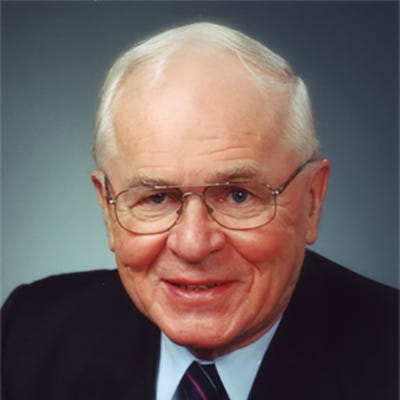
I want to start with a personal note: Douglas Roche has been a friend and mentor to me for years, and his voice on peace and disarmament has shaped how I think about Canada’s role in the world.
So I read his latest piece in Policy Magazine closely — and I’m excited that he has a new book coming, Values/Chaos: Discovering Mark Carney and Canada’s Role in a Ruptured World.
Values or chaos?
Roche gives Carney credit as an internationally respected figure, but he doesn’t pull punches. He argues Carney has inverted the value system he laid out in his own 2021 book, which Carney titled Value(s): Building a Better World for All.
Instead, Mark Carney is pushing defence spending to 5% of GDP while cutting diplomacy and foreign assistance. Global Affairs Canada gets $7 billion; the military gets $63 billion, nine times as much. For Roche, that ratio is the tell: “the value of our strength” has quietly replaced “the strength of our values.”
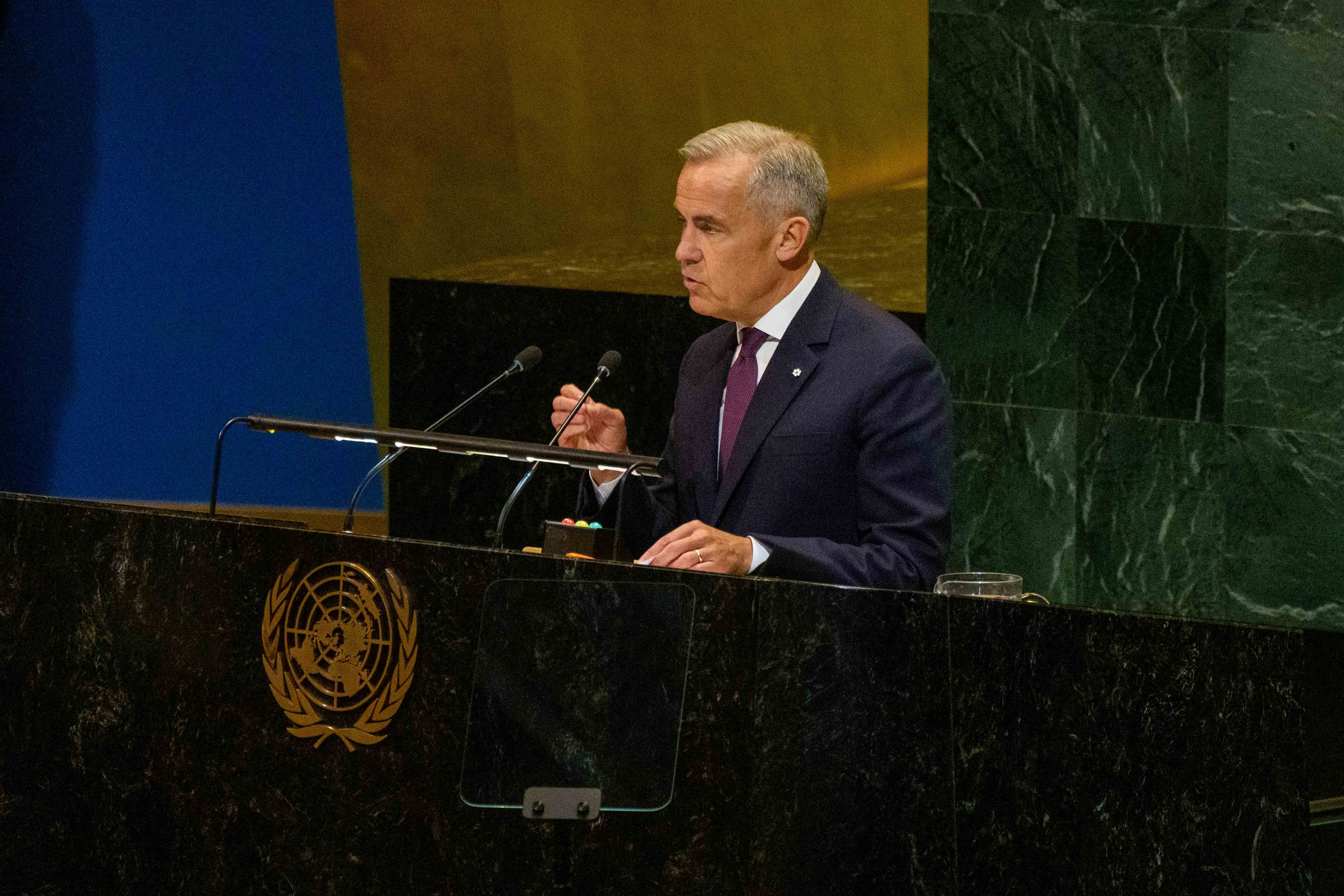
Guns over blue helmets
That critique echoes what we wrote here last week: Canada is shuttering nearly all its UN peacekeeping missions — in the DRC, South Sudan, Cyprus, and Kosovo — by 2027, leaving us ranked around 70th among troop-contributing nations. Guns for NATO, none for peacekeeping.
Roche’s essay and our own reporting point to the same uncomfortable truth: the country that invented peacekeeping, built the landmine treaty, and helped create the International Criminal Court is walking away from that legacy just as the world needs it most.
What if Carney chose peace?
It’s worth pausing to imagine another path. Carney has emerged as one of the most respected and closely watched figures on the world stage — a rare Canadian voice with real credibility in rooms most of our leaders never enter. What if he used that prestige to break from conventional military thinking rather than reinforce it?
“As a principled person himself, Carney has the opportunity — and, I would argue, the obligation — to lead Canada toward a principled world; not tomorrow but today.”
– Doug Roche
Roche has watched ten Prime Ministers since entering politics in 1972. They all faced challenges, but many still managed to find an independent voice for Canada.
“Pearson started UN peacekeeping, Mulroney rejected apartheid, Chrétien kept Canada out of the Iraq War, Martin said no to missile defence. Their courage in going against American pressure allowed Canada to lead in developing both the Ottawa Treaty on landmines and the International Criminal Court,” he writes.
So, imagine Carney championing preventive diplomacy, nuclear disarmament, and a reoriented international system built around peacebuilding instead of burden-sharing targets.
“The Canadian prime minister is uniquely placed to restore confidence in multilateral institutions through a pragmatic emphasis on diplomacy, accountability and reform,” says Roche.
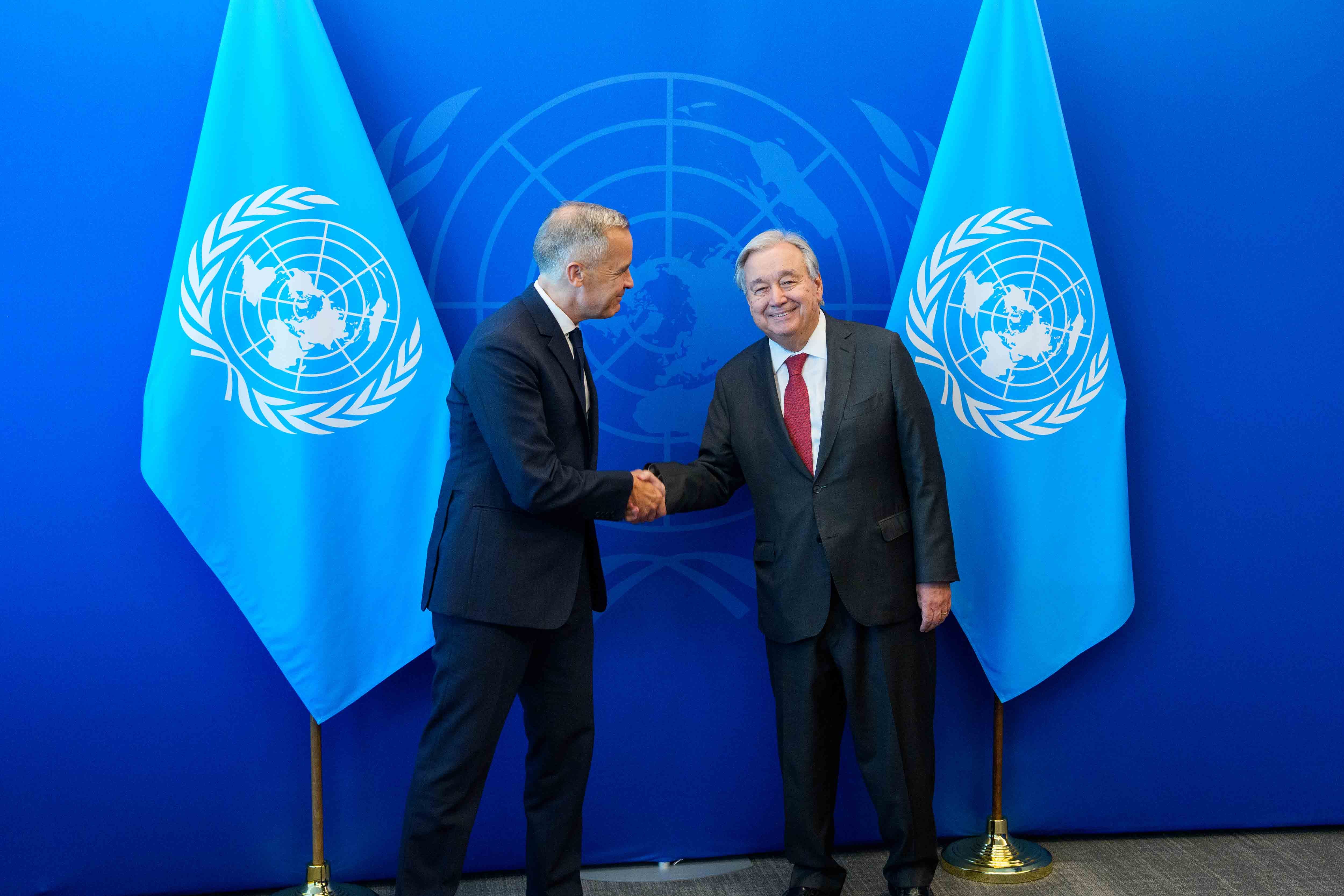
“Carney needs to think beyond NATO to be a credible world leader. It is the existential threat of climate change, nuclear weapons, pandemics and forced migrations of peoples that also challenge Canada’s security,” says Roche. Few leaders alive have the standing to make that case. It would be a legacy far larger than hitting NATO’s 2%.
Heeding Roche’s call
The United Nations’ Charter sets out its mission to, “promote the establishment and maintenance of international peace and security with the least diversion for armaments of the world’s human and economic resources.” (Article 26)
How can this be achieved? How can we create peace without diverting trillions of dollars from meeting human needs to buying ever-more deadly weapons?
Roche’s answer is “common security” — cooperative, diplomatic, multilateral. It’s a call worth heeding, and one more reason to watch for his book this fall.
Read Where Does Peace fit in Mark Carney's Global Vision? - Policy Magazine
If you found this interesting or informative, please like or share.
Leave a comment to explain your vote (paid subscribers)
Readers want Canada to support UN Peacekeeping
Last week I shared the terrible news that Canada is practically abandoning UN peacekeeping. I asked you, “As Canada ramps up NATO defence spending, should it also maintain a serious UN peacekeeping commitment?” Nearly everyone (96%) agreed that yes, the two aren’t a trade-off.

I hoped Mark Carney would lead us on climate change not war and oil.
We need peace that comes with respect for our natural environment and justice for all. Too bad billionaires have so much influence rather than using their wealth to help those in need and our earth to care for its gifts for all.
Doug Roche has said it all. I fully support his views.