


This week, Prime Minister Mark Carney told the New York Times that he has studied the possibility of U.S.-led military action against Canada.
“That’s not a base case, but it would be irresponsible not to [prepare],” he said.
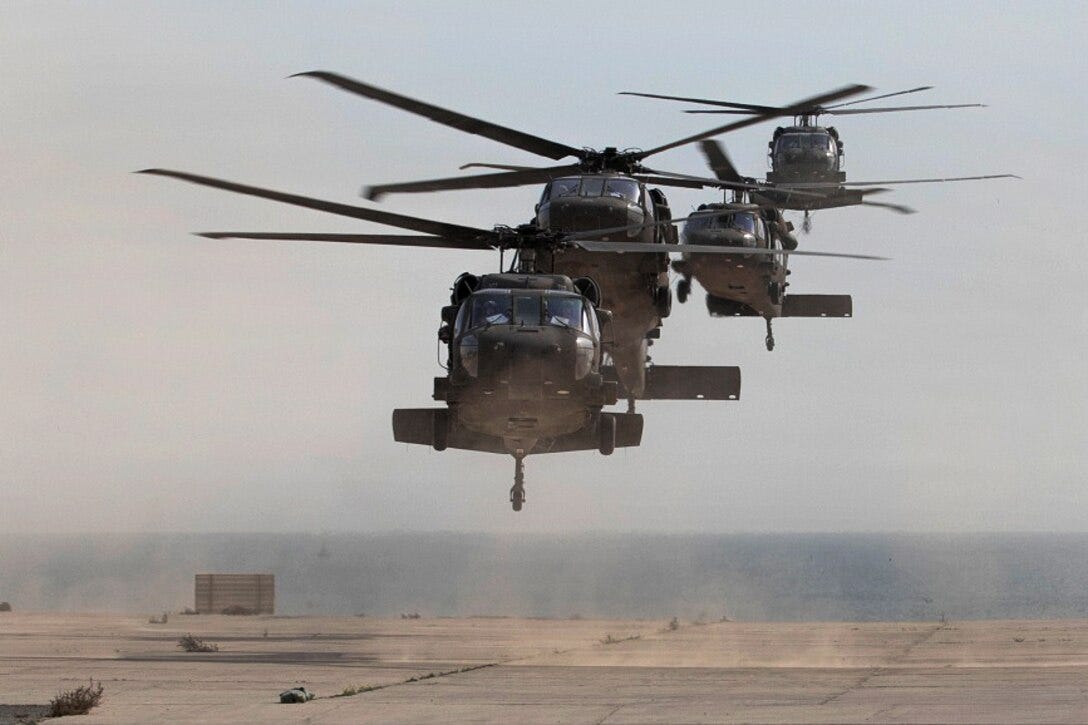
Carney chose to say this in Manhattan, where Trump couldn’t miss it. The Star’s Andrew Phillips reads it as a message to Canadians, to Trump, and to the world. In January, the Globe reported that the Armed Forces had modelled a U.S. invasion for the first time in a century. Scott Taylor of Esprit de Corps called it insane that our officers must even war-game such a scenario.
Remote? Yes. But consider Ukraine and Russia: two neighbours with deep historical ties, whose soldiers still fight with Soviet-era weapons. Few imagined Russia would invade. Fewer imagined that Ukraine could hold, or that drones and surveillance would freeze the front into something resembling the First World War, as Gwynne Dyer observes.
So how might a U.S. invasion of Canada unfold?
1. The Maduro raid
CBC’s Murray Brewster notes that the scenarios include rapid regime change like the commando operation that seized Venezuela’s Nicolás Maduro. Resistance would hinge on refusing to capitulate.
2. The Iran option
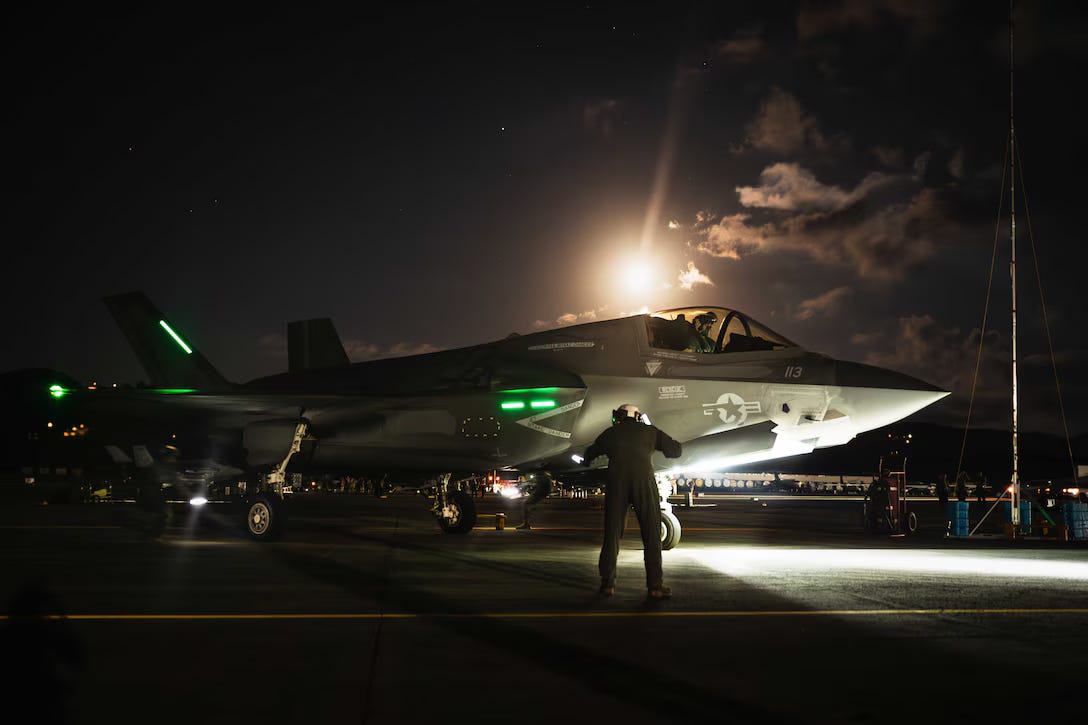
A limited air campaign could replace a ground invasion. Taylor points out that an attacker’s first job would be to knock out Canada’s air defences, and Canada has none. Its handful of airworthy CF-18s sit at bases whose readiness the Americans know through NORAD.
3. The drive on Ottawa
Canadian military planners expect an attack from the south to overwhelm Canada’s strategic positions within a week, possibly two days. Retired Lt.-Gen. Mike Day says the Americans’ “only hope would be a Russian-like drive to Kyiv,” taking Ottawa and hoping the country folds. He doubts we would, any more than the Ukrainians did.
4. The Afghan occupation
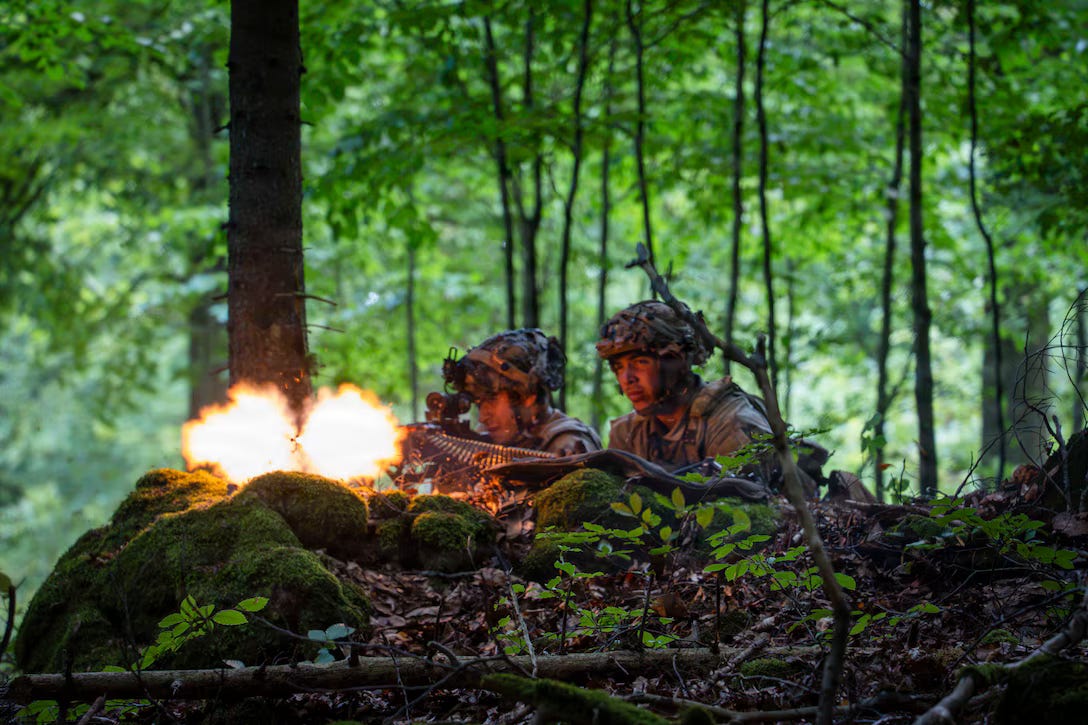
The military envisions Canadian soldiers and armed civilians using ambushes, sabotage and drones, the tactics of the Afghan mujahedeen, backed by a planned volunteer reserve of more than 400,000. Taylor reminds us that America is “0 for 3 in their attempted hostile occupations”: Vietnam, Iraq and Afghanistan.
5. Economic force
This is the war already underway. Trump has ruled out annexation by arms but not by economic coercion. Since trade talks collapsed in August, he has imposed 50 per cent duties on $28 billion in Canadian goods.
Would NATO come?
NATO’s Article 5, under which an attack on one member is an attack on all, was never meant for an attack by the alliance’s leader. Canadian officials told the Globe nuclear-armed France or Britain would be asked to help. Retired Maj.-Gen. David Fraser believes the democratic world would rally to Canada in a way it never did for Venezuela. Ukraine had the West. Canada may need a West without America.
The surest defence is keeping this war unthinkable, through diplomacy, international law, and alliances beyond Washington.
If you found this interesting or informative, please like or share.
Leave a comment to explain your vote (paid subscribers)

Join me on Thursday, Oct. 1, at noon ET for a virtual conversation with experts about how Canadian weapons exports, trade relationships and corporate accountability are impacting the war in Sudan.
The conversation will be moderated by me, with an introduction by Rita Morbia of Inter Pares. Panelists are Duha Elmardi, Kelsey Gallagher, Penelope Simons, and Stuart Trew.
Co-hosted by the Women, Peace and Security Network - Canada (WPSN-C), Inter Pares, Sudan Solidarity Collective, Project Ploughshares, and the Canadian Centre for Policy Alternatives (CCPA).
Last week’s readers’ poll
Last week I shared the news that the Pentagon admitted that it had deployed a space weapon, though the exact nature of the weapon is unclear. This technology is part of President Trump’s dreams of the Golden Dome missile defence shield, which Canada has said it is prepared to join (without specifying the cost or what joining might entail).
I asked you, “Should Canada join the U.S. ‘Golden Dome’ space weapons program?” Virtually everyone said “no” (99%).

I checked the 'real threat's economic, not war.' We are in that economic war, right now. However if I could have chosen 'remote but worth planning for' as well - both are worth planning for!
Is Option 4 describing U.S. aggression or Canadian reaction?