


I recently had the honour of moderating a panel on one of the most urgent questions in Canadian foreign policy:
What responsibility does Canada bear for the war in Sudan?
The webinar on October 1, 2026, was organized by the Sudan Working Group of the Women, Peace and Security Network – Canada and Inter Pares, with Project Ploughshares, the Canadian Centre for Policy Alternatives, the Sudan Solidarity Collective and PeaceQuest as co-sponsors. I was grateful to share the virtual stage with four people who know this file better than anyone.
Watch “Sudan’s Conflict: Examining Canada’s Responsibility” on YouTube
A crisis the world is only now noticing
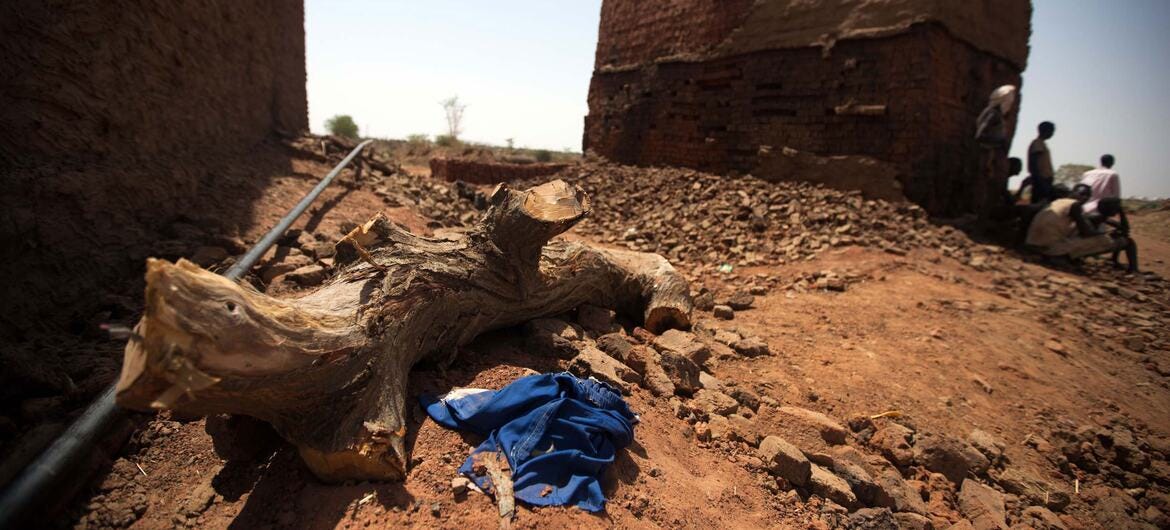
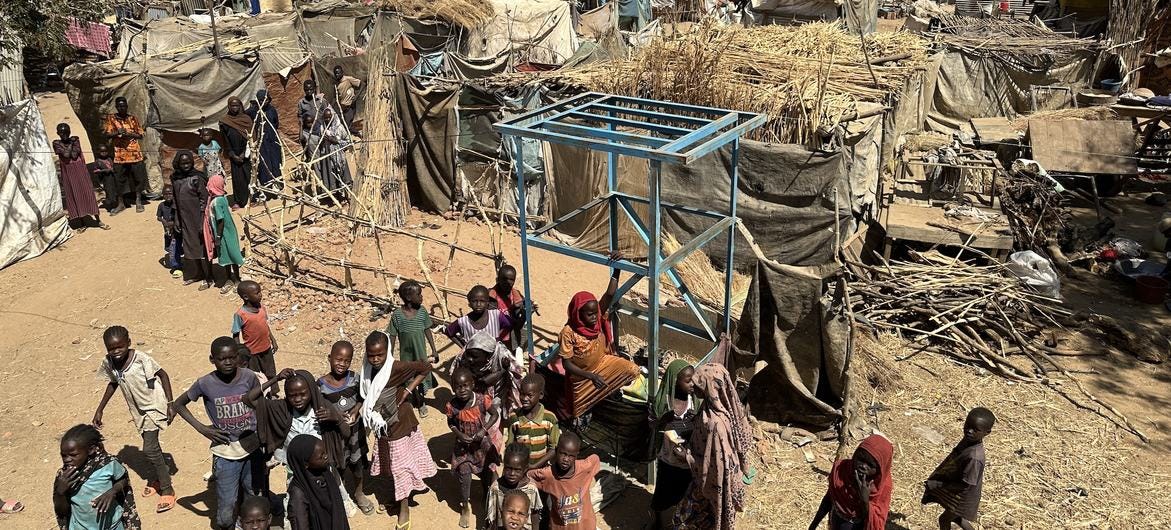
After more than three years of war between the Sudanese Armed Forces and the Rapid Support Forces (RSF), more than 13 million people have been forced from their homes. Nearly 20 million face crisis levels of hunger. In September, UN agencies warned the humanitarian system could collapse within weeks.
That same month, a UN fact-finding mission found that a transnational network had supplied the RSF with weapons, drones and as many as 2,000 Colombian mercenaries, with UAE-linked individuals and companies playing “a significant role.” The UAE denies it.
Duha Elmardi of the Sudan Solidarity Collective challenged the way we often talk about this war. “I sometimes hear references to the Sudan war as the forgotten war,” she said. “To that, my question is: forgotten by whom?” Every Sudanese person she knows lives with it daily, she said, and Sudanese volunteers are “holding the weight of the humanitarian response that should not be theirs to carry alone.”
Canadian weapons in RSF hands
Kelsey Gallagher of Project Ploughshares walked us through two Canadian connections. Sniper rifles made by Sterling Cross, a small manufacturer in an Abbotsford, B.C., strip mall, keep appearing with RSF fighters. No one knows how they got there.
Then there is the Streit Group, an armoured vehicle maker founded in the Toronto area that now builds mainly in the UAE. Gallagher called it “one of the most prolific UN arms embargo-busting manufacturers with a Canadian connection.”
“If there’s any industry that needs to have solid human rights due diligence, it should be the arms industry.” — Kelsey Gallagher

A trade deal with the RSF’s alleged backer
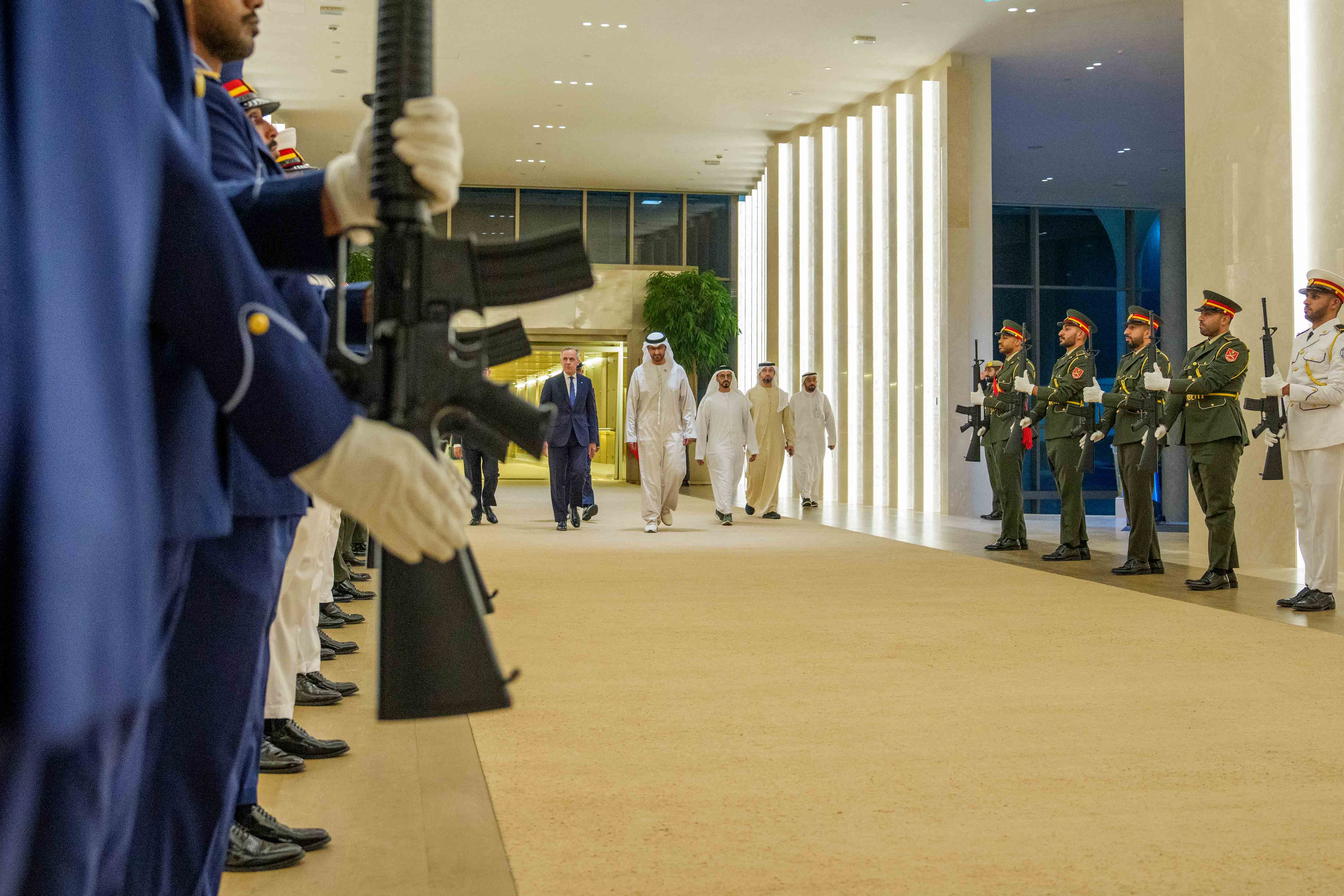
The CCPA’s Stuart Trew turned to Ottawa’s rush to sign deals with the UAE. A free trade agreement was negotiated in about two months but still needs a vote in Parliament. That vote, he argued, is Canada’s leverage.
Its economic value is small. “It’s not quite a nothing burger, but it’s not far off,” he said. Stopping it would have “no noticeable impact” on Canada’s economy. The bigger worry is a separate investment treaty, which Trew said came into force in May without any vote, giving UAE investors new powers to challenge Canadian decisions.
We’ve been here before
University of Ottawa law professor Penelope Simons reminded us that this is not Canada’s first Sudan scandal. In 1999–2000 she served on the Harker mission, sent by then-foreign minister Lloyd Axworthy, which found that the Sudanese government was using the Talisman Energy consortium’s airstrip for bombing raids on civilians.
Ottawa responded that it had no tools to act. A quarter century later, Canada still relies on companies to police themselves. “What we learned is that self-regulation doesn’t work,” Simons said.
Asked how she would describe Canada’s response today, Elmardi didn’t hesitate: “Inadequate, very much inadequate.”
What Canada should do
Here are the panelists' proposals:
1. Expand the embargo. Canada should call on the UN Security Council to extend the arms embargo from Darfur to all of Sudan, as the UN mission recommends.
2. Track weapons after they leave. Adopt post-shipment checks, as Germany, Switzerland and the U.S. do, and enforce brokering controls on Canadian-owned firms producing abroad.
3. Review arms sales to the UAE. Gallagher noted Canada has sold the UAE over $60 million in weapons in five years.
4. Make human rights due diligence mandatory. Require companies to identify and prevent human rights harms, give victims the right to sue in Canada, and restore a corporate ombudsperson with real investigative powers.
5. Vote down the UAE trade deal and end the investment treaty, or at minimum conduct a human rights impact assessment before ratification.
6. Appoint a special envoy for Sudan to pull Canada’s scattered response together.
Canada has shown leadership on landmines and peacekeeping before. On Sudan, the question is whether we have the will.
If you found this interesting or informative, please like or share.
Leave a comment to explain your vote (paid subscribers)
Last week’s readers’ poll
Last week we considered whether Canada should urge NATO and allies to open discussions with Russia to reduce the risk of a nuclear conflict in Europe. I asked you, “Should Canada push NATO to open talks with Russia on nuclear tensions?”
Three out of four agreed, saying, “Yes, open talks now” (76%). Others agreed, but only after a ceasefire agreement with Ukraine (13%). A few opposed talks, choosing, “No, focus on deterrence” (7%).
