


“Careful, they might think that’s election interference.”
Prime Minister Mark Carney’s ad-lib brought down the house at Thursday night’s Forever Canadian rally in Calgary. “They’re a little touchy down there at the moment,” he added, to roars from a crowd of about 5,000.

The joke worked because everyone in the room knew the backstory. On Monday, Albertans vote on whether to start the legal process toward a binding referendum on leaving Canada. And for the past year, people close to President Donald Trump have been doing their best to help the “leave” side.
“Keep your nose out”
Recently U.S. Ambassador to Canada Pete Hoekstra told The Really Big Show podcast that American officials would be “closely watching” Canadian politicians for signs of meddling in the Nov. 3 U.S. midterms. Canadian politicians, he said, should keep their “nose out” of U.S. politics.
Canada’s industry minister, Mélanie Joly, replied that Canada would never meddle in another country’s elections, and would “never accept that also being done to us in Canada.”
A year of courting the separatists
Consider what Washington has been up to in Alberta:
State Department meetings. Leaders of the separatist Alberta Prosperity Project (APP) met U.S. State Department officials three times in 2025, according to The Globe and Mail. The group was reportedly seeking a US$500-billion line of credit from the U.S. Treasury to bankroll a new country.
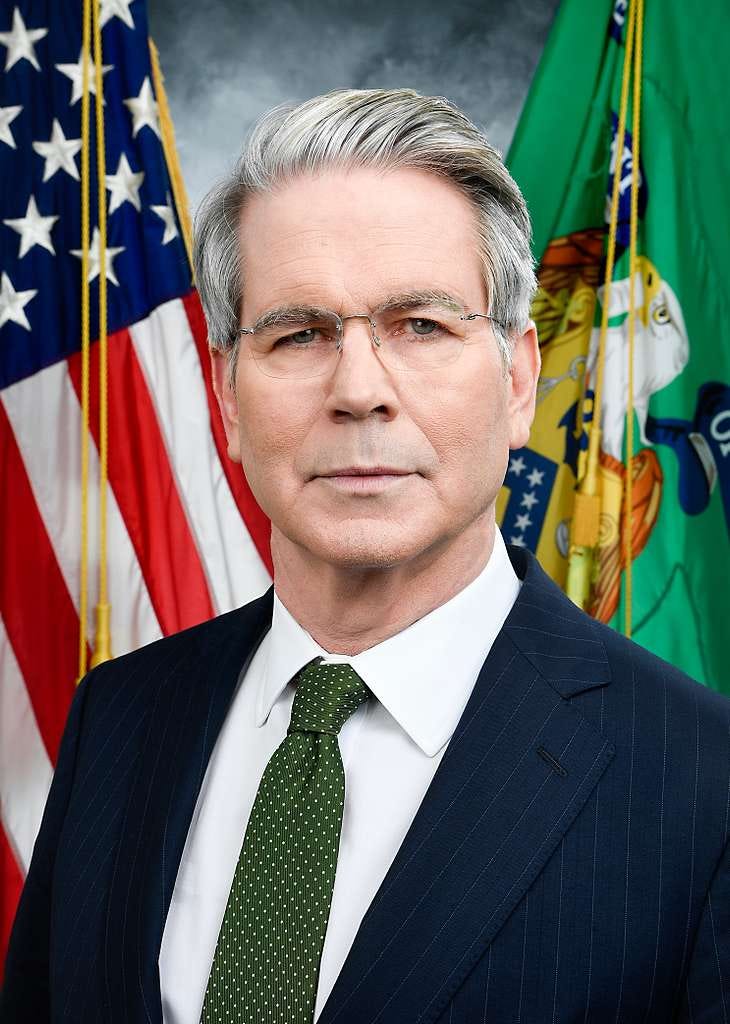
A cabinet endorsement. Treasury Secretary Scott Bessent told a U.S. outlet in January that “Albertans are a very independent people… People want sovereignty. They want what the U.S. has got,” CBC reported.
Republican operatives on the ground. The Globe’s Carrie Tait, Grant Robertson and Nathan VanderKlippe reported this month that Michigan Republican campaign operatives came to Calgary to talk strategy with separatist organizers. An APP co-founder told the Globe the group floated Alberta’s fresh water, oil royalties and land for a rail line to Alaska in exchange for U.S. help. Other APP leaders call that account “delusional.”
The megaphones. Elon Musk posted last week that “Alberta and Saskatchewan should separate too.” And on Wednesday, Trump told an Arizona rally that Canada will “end up being the 51st state because that’s the only way it works.”
The State Department insists insists its meetings with separatists were routine and “no commitments were made.” Maybe so. But B.C. Premier David Eby had a blunter word back in January for asking a foreign power to help break up Canada: “treason.”
We were warned
None of this surprises regular PeaceQuest readers. In May, I wrote about a DisinfoWatch-backed report warning that “U.S. engagement is overt, escalating, and in some environments, converging with Russia.”

Canada’s spy agency, CSIS, has now warned Alberta NDP Leader Naheed Nenshi that the referendum could be a target for foreign interference. The question is no longer whether it’s happening. It’s whether Ottawa will name it when it comes from an ally.
Why it backfired
In January, Research Co. found 31 per cent of Albertans backed independence. Its August poll put the “leave” option at 22 per cent. Janet Brown’s poll for CBC found separatist support down from 27 per cent in April to 23 per cent in September, while the share of Albertans who feel mainly attached to Canada rose from 34 to 40 per cent.
“It’s made Albertans more focused on their Canadian identity,” Brown told CBC.
Support for separation appears to have slipped. The more Trump’s world pushed, the more Albertans pulled back.
Vote like Canada depends on it
“Some outside our borders are working to break us so they can own us.” — Prime Minister Mark Carney
“Bring a friend and vote like Canada depends on it,” Carney told the crowd this week. “Because it does.”
For sure, Monday’s vote won’t settle every Alberta grievance with Ottawa. But it should settle one thing: Canada isn’t for sale, and it can’t be broken up from Washington.
If you found this interesting or informative, please like or share.
Leave a comment to explain your vote (paid subscribers)
Readers want action on Sudan war
Readers had many reactions to last week’s newsletter about Canada’s complicity in the terrible war in Sudan. We talked about the deepening commercial and financial links with the United Arab Emirates (UAE) promoted by PM Carney, and the mountain of evidence that Canadian-made weapons are finding their way into the war through the UAE.
I asked you, “What should Canada’s first step on Sudan be?” and most said they wanted arms sales to UAE stopped (63%). One-in-five wanted the Canada-UAE trade deal blocked (18%), and the rest were roughly split between passing a corporate due diligence law (10%) and focusing on humanitarian aid (8%).
