


Prime Minister Mark Carney has finally revealed his plan to turn Canada into a weapons-exporting global mega-power.
“In total, the Defence Industrial Strategy is an investment of over half a trillion dollars in Canadian security, economic prosperity, and our sovereignty,” he announced this week, promising to create over 125 thousand “high-paying careers” building weapons and otherwise supplying the Canadian military, while increasing exports of military goods by a whopping 50 per cent.
Last Fall in Ottawa, Senators asked me if there was any downside to PM Careny’s military build-up. “I don’t think we want a big defence industrial base in Canada, and here’s why: What happens when those production lines end?” I asked the Senate committee on National Security, Defence and Veterans Affairs.
“[The contracts] are good for a while, but then they come to an end and there are only two options left for those companies: first, come back to the Canadian government and get another contract to keep building things that we may not even need; and, second, exports.”
The peril of military exports
It’s the second option – military exports – that is the soft underbelly of the government’s big military build-up plan.
Most countries that purchase Canadian military goods are supporting their own industries, just like Canada is doing. Those governments will want to favour their own industries rather than buying from Canada.
For instance, the United States buys roughly half of all Canadian military exports, such as ammunition, components parts, training services, and in some cases, full weapons systems such as light armoured vehicles and helicopters.
But Trump’s entire “Buy America” strategy of tariffs is meant to decrease imports from Canada and others. Military goods won’t be received any friendlier that our cars.
OK, so if our NATO allies are less inclined to import from Canada – where else will Canada find weapons buyers? The answer seems to be countries at war and with weak commitments to human rights.
The latest government report on our defence exports, released in June, shows $2.5-billion in arms exports to countries outside the United States in 2024, including to states with troubling human rights records and those engaged in active conflicts.
Saudi Arabia and Israel
Our friends at Project Ploughshares note that Canada’s arms exports to Saudi Arabia, which are largely, but not exclusively, light armoured vehicles (LAVs) made in Ontario, have faced intense scrutiny.
“This is not only due to the Saudi government’s troubling human rights record, but also because of Saudi Arabia’s deployment of Canadian LAVs in the Yemeni civil war, a conflict that resulted in the deaths of an estimated 377,000 people,” said a Ploughshares report last year.
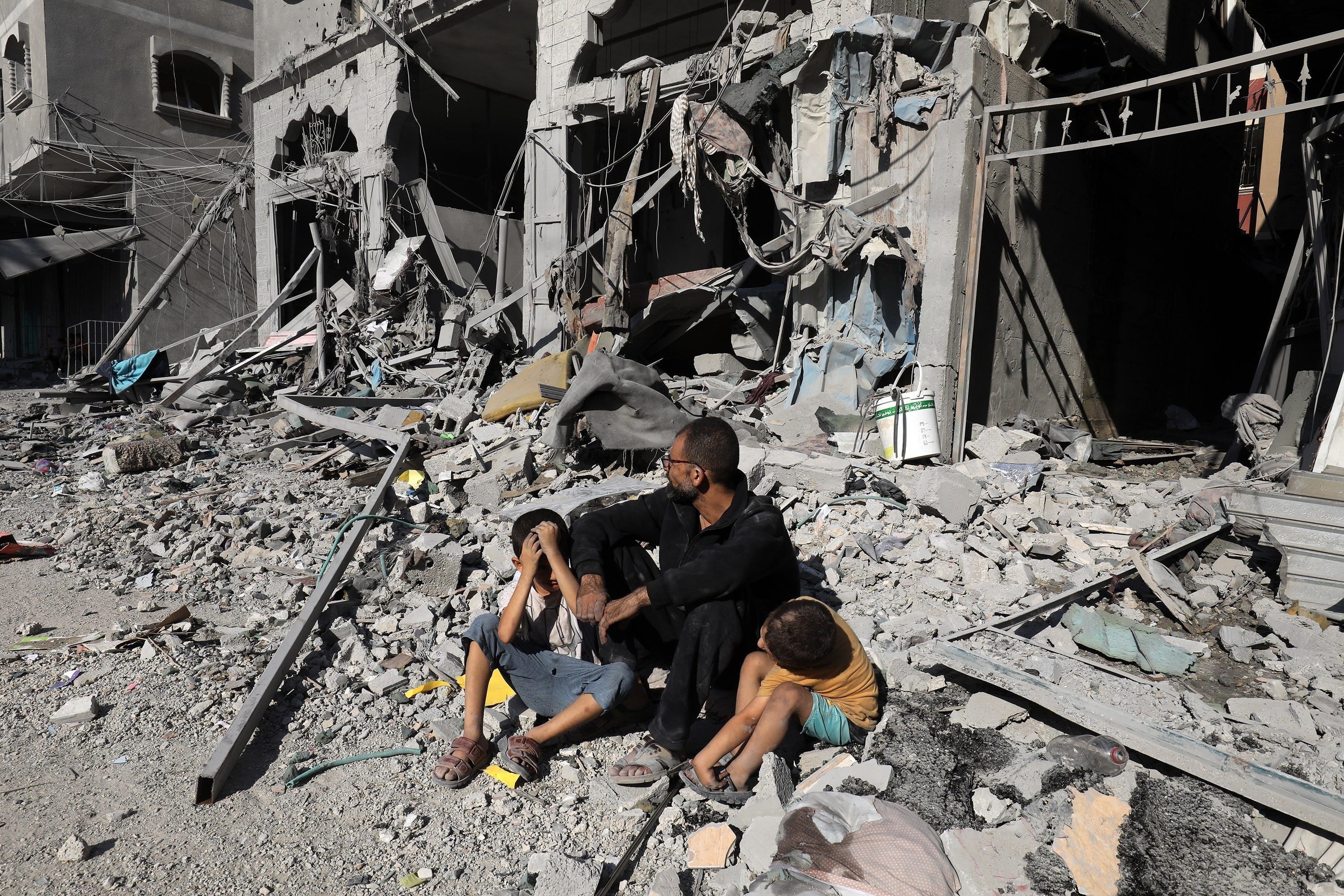
Peace, human rights and solidarity groups have been trying to reign in flow of Canadians arms to conflicts around the world – especially to Israel. Israel’s brutal counterattack on Hamas following its October 7, 2023 massacre has destroyed most of Gaza and killed tens of thousands of Palestinians. Intense pressure has been brought on the Canadian government, as PeaceQuest readers will know from previous articles:
NDP finds political allies in effort to reign in U.S. military exports
Jenny Kwan MP (Vancouver East) has introduced a private member’s bill aimed at military exports to the U.S., and she is winning wide support for the NDP’s efforts to bring greater oversight to arms exports.
This month former high ranking Liberal Cabinet Ministers Lloyd Axworthy and Allan Rock used The Globe and Mail to throw their support behind the “End the Loopholes” Act, arguing Canadians deserve transparency about where our weapons go and how they are used.
Bill C-233, “An Act to Amend the Export and Import Permits Act,” proposes changes to Canada’s arms export controls, specifically regarding transfers to the U.S. Nearly all Canadian military exports to the U.S. currently proceed without an export permit.
“Addressing this gap is especially urgent because of Donald Trump’s military recklessness,” Axworthy and Rock wrote.
“American forces have violated international law repeatedly. Mr. Trump has also deployed troops and armed ICE agents to American cities, resulting in violence and loss of life. We ought not to be sending military gear to Mr. Trump’s America without assurance that it will not be used unlawfully.”
As Axworthy and Rock say, Parliament now faces a clear choice: maintain an outdated exemption that undermines Canada’s credibility, or adopt a modern, principled system that reflects our commitments and responsibilities.
Leave a comment to explain your vote (paid subscribers)
Readers want Canada to help Cuba
Last week we talked about the awful impact of Trump’s oil embargo on Cuba. The poll garnered 175 votes – possibly the highest ever for PeaceQuest. Overwhelmingly (99%) readers said Canada should send aid to Cuba, despite the risk of Trump’s retribution.
“I am concerned to hear endless comments about getting tourists safely back, with so little concern about what will happen to Cubans themselves.” - B. Gombay
“I was a student at U of T in the 1960s and had joined the Fair Play for Cuba Committee. Then, as now, we were pushing back against U.S. imperialism.” - G. Doctorow
“This a perfect reason why all countries, especially vulnerable developing countries should receive our assistance in setting up solar power generating facilities.” - J. & D. Mayba


