

Six years ago, a Burlington-made camera turned up on Turkish drones in the war over Nagorno-Karabakh, and Ottawa shut off arms exports to Turkey.
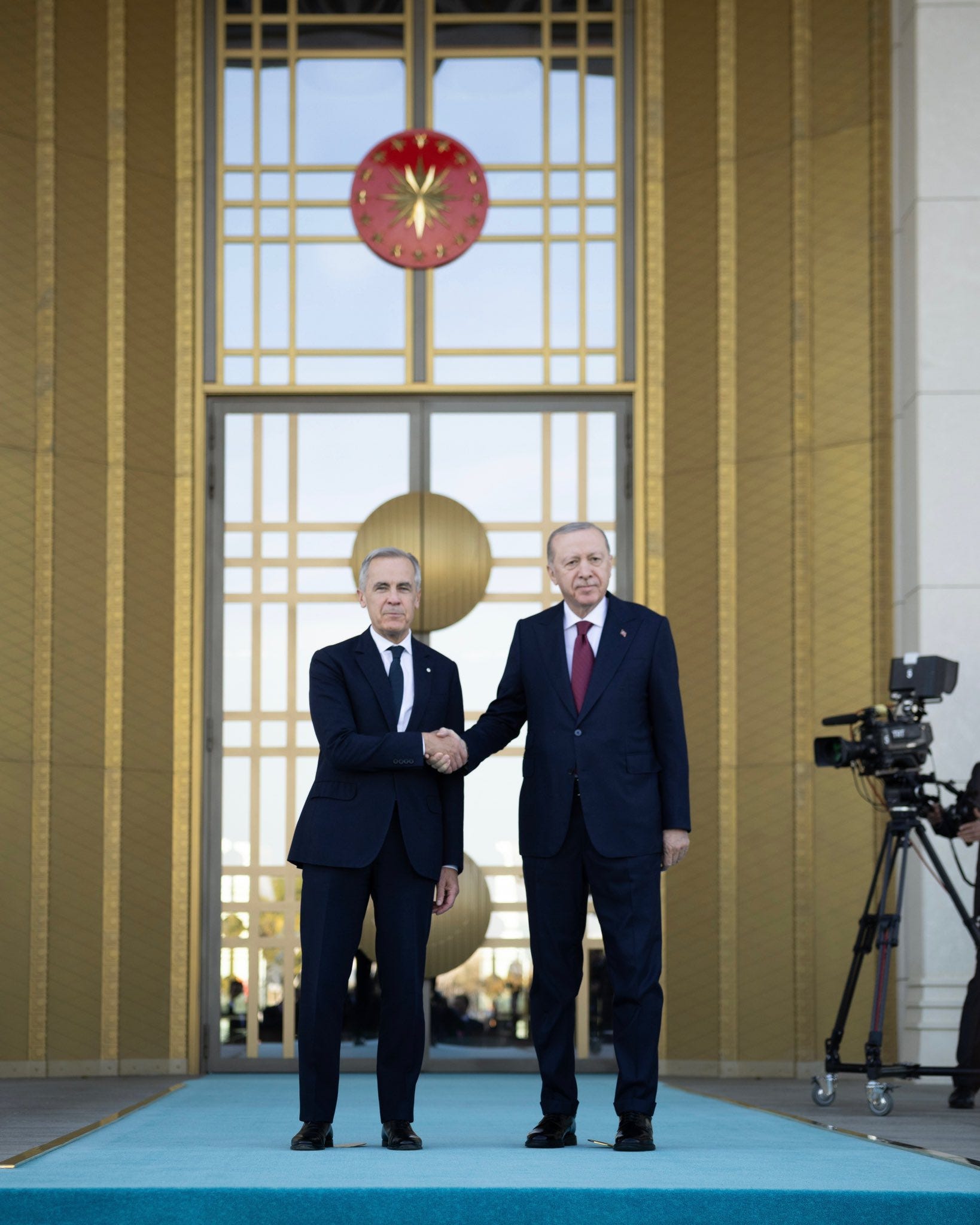
This week, Prime Minister Mark Carney stood in Erdoğan’s presidential palace and called Turkey an “exceptional” partner.
What changed? Not Turkey. And, I’d argue, not Canadians.
What Carney signed in Ankara
Carney’s visit was the first bilateral trip to Turkey (official named Türkiye) by a Canadian prime minister. He and Turkey’s President Recep Tayyip Erdoğa launched a “Strategic Partnership” and opened free trade talks.
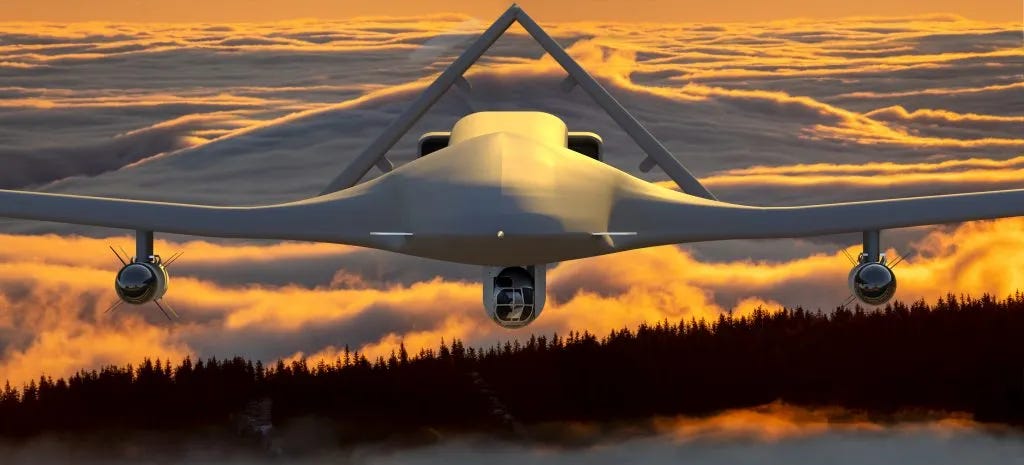
The centrepiece for PeaceQuest readers is a deal linking Canadian and Turkish arms companies. Reuters reported that defence talks would focus on drones. Canada lifted its Turkey export controls in 2024, including on the drone cameras at the heart of the scandal in 2020.
The leaders’ joint statement names “defence production” a priority trade sector. It even pledges security cooperation in the South Caucasus, the very region where those drones flew.

“Engagement is not approval”
Carney arrived in Turkey mid-crackdown. Amnesty International reports at least 117 LGBTQ+ people detained since September, and an opposition TV station raided this month.
Asked about it, Carney said very few countries meet Canada’s standards. CBC’s Murray Brewster reports he refused to say whether he raised the crackdown with Erdoğan personally.
“Engagement in those partnerships does not mean approval.” — Prime Minister Mark Carney
Yet the joint statement declares the two countries “bound together by shared values: human rights, individual liberties, democracy and the rule of law.” It also calls for talks on extradition, with a government Amnesty says uses its courts to silence critics.
Trudeau’s Turkey, Carney’s Turkey
Justin Trudeau was no saint on arms exports. He kept armoured vehicles flowing to Saudi Arabia, and his government lifted the Turkey restrictions in 2024.
But in 2020, Project Ploughshares’ Kelsey Gallagher proved that Canadian WESCAM sensors were guiding Turkish-built drones in Azerbaijan’s six-week war. More than 5,000 people died, and Human Rights Watch documented indiscriminate Azerbaijani strikes on civilian neighbourhoods.
The government acted. It suspended permits that October. After a Global Affairs review found “credible evidence” of misuse, it cancelled 29 permits outright.
The evidence of misuse of weapons came first, the trade interests came second.
But in a bare-knuckle trade war with a self-interested America, Carney has reversed that order, and has put expanding trade above human rights.
It’s no surprise, really. In that now famous speech he gave at Davos in January, he called it “values-based realism”: Canada will “take on the world as it is, not wait around for a world we wish to be.”
Not just Turkey
Earlier this month, I wrote about Ottawa rushing a trade deal with the UAE, which a UN mission links to weapons reaching Sudan’s RSF militia.
It’s what I warned the Senate about this year. A bigger arms industry needs more customers. With Trump shutting Canadian firms out of the U.S. market, the rest tend to be countries at war or abusing rights. Carney’s Defence Industrial Strategy aims to grow military exports by 50 per cent. Ankara and Abu Dhabi are what that looks like.

Are we really that different?
Diversifying away from Trump’s America makes sense. But if we respond to his money-first foreign policy by adopting one of our own, what have we escaped?
Carney set the test himself at Davos: apply “the same standards to allies and rivals.”
Canadians’ values haven’t changed because of Trump. The question is whether our government’s have.
If you found this interesting or informative, please like or share.
Leave a comment to explain your vote (paid subscribers)
Are you in Ottawa?
Peace Train Canada arrives in Ottawa this week, and there are several interesting events in store for you on peace education, peacekeeping, military spending, and even a rally on Parliament Hill.
You called it! Last week’s survey results
Last week I asked you to make a prediction about the results of Alberta’s separation vote held on Monday.
Most PeaceQuest readers got it right (53%) when they predicted the No side would win by more than 65%. In fact, the actual result was 76%, or 1.5 million Albertans voting to remain in Canada. Only 24% voted to hold a binding referendum on separation in the future. Just about every PeaceQuest reader who answered our survey said the No side would win.

I would really like to know where Mr Carney is leading Canada. Why this deal linking Canada and Turkish arms companies? I wear a Peace Poppy, white in a sea of red ones. A small gesture to tell our leaders to stop preparing for war. If we value peace, lets work for peace!